
Find Pool Leaks Without Draining the Entire Basin
Pool Leak Detection in Cape Coral for unexplained water loss and wet soil around pool equipment pads
Deep Dive Leak Detection, LLC performs pool leak detection for residential properties in Cape Coral, helping homeowners locate water loss in pool shells, plumbing lines, and spa systems that operate year-round in Florida's climate. You notice the water level dropping faster than evaporation accounts for, or you see saturated ground near the filter housing and pump pad even during dry weeks.
Pool leaks develop in skimmer throats, return line fittings, suction ports, and cracked shell surfaces where settling or root pressure creates fractures in the plaster or fiberglass. Underground plumbing that connects the pool to the equipment pad can shift with soil movement, pulling apart glued joints and allowing pressurized water to escape into the surrounding sand.
If your pool requires adding water more than twice a week, or if you see air bubbles entering the pump basket from the suction side, schedule a pool leak evaluation to identify the source and avoid wasting thousands of gallons each month.
Repairs Are Referred to Licensed Contractors
Detection Methods That Preserve Water and Finish Materials
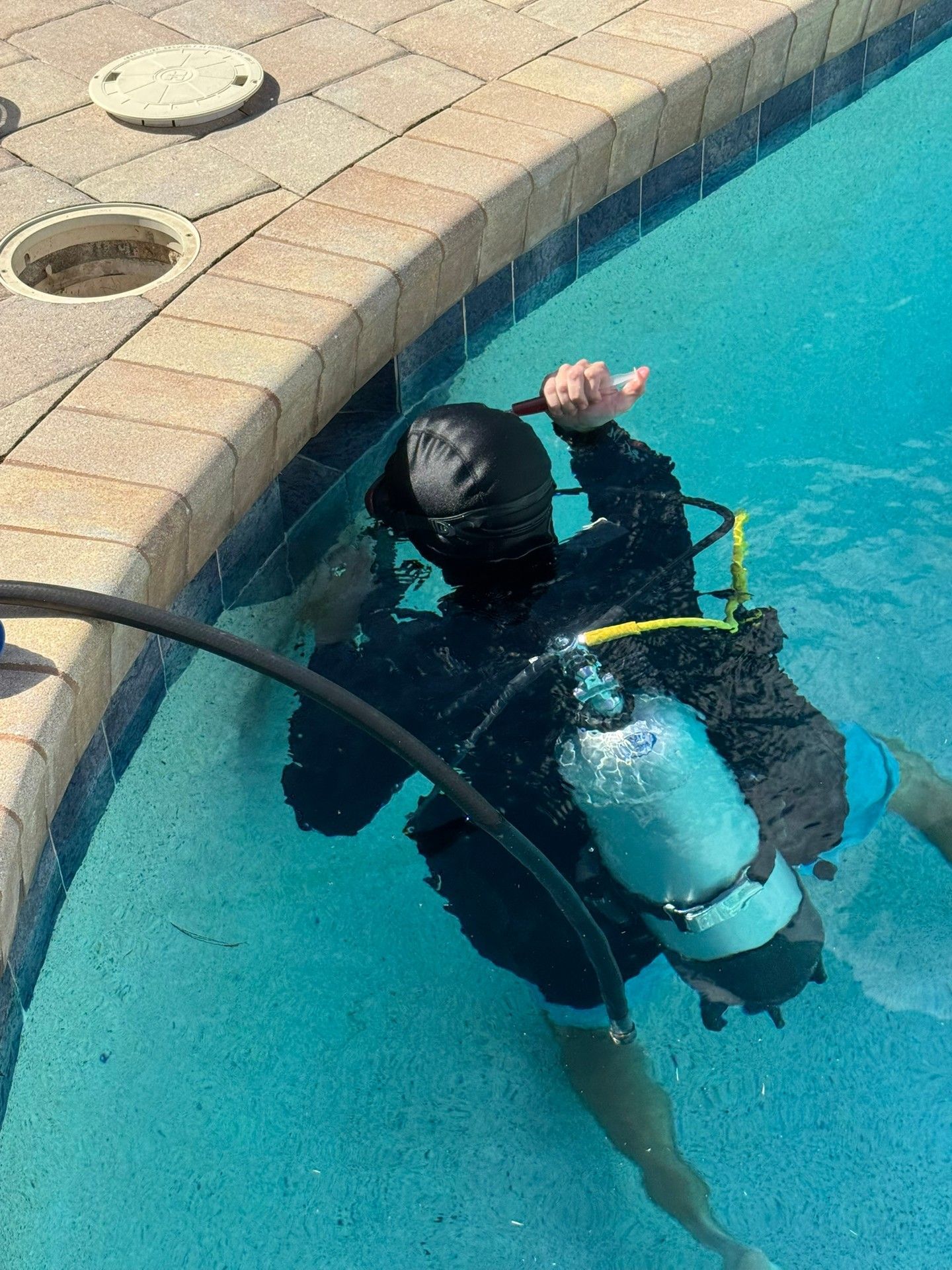
The technician performs a bucket test to measure the difference between water loss from evaporation and water loss from leakage, then uses a dye applicator to trace movement around fittings, cracks, and tile grout lines. When dye is drawn toward a leak, it confirms the location without emptying the pool or chipping away plaster.
After testing the shell, you will see the team isolate plumbing zones by closing valves and pressurizing individual lines with air or water while monitoring gauges for pressure drops. Deep Dive Leak Detection, LLC uses electronic listening devices to follow the sound of escaping water through buried PVC, marking the surface above the leak so excavation targets only the failed section.
Helium detection works for leaks in plumbing lines that run beneath pool decks or through landscaping. The gas is introduced into a closed line, then a sensor wand tracks its path as it rises through soil and concrete joints, pinpointing the failure without trenching the entire pipe run. This method saves time and limits damage to pavers, screen enclosures, and irrigation systems near the pool.
Answers to Pool Leak Detection Questions
Pool owners in Cape Coral frequently ask how much water loss is normal, whether skimmer leaks can be fixed without draining, and what signs separate equipment issues from structural shell damage.
How much daily water loss indicates a leak rather than evaporation?
In Florida heat, evaporation can lower water levels by a quarter inch per day, but if you lose more than half an inch daily or need to add water more than twice a week, a leak is likely.
What tools locate leaks in pool plumbing buried under the deck?
Pressure testing isolates which line is losing water, then acoustic sensors and helium detectors trace the exact spot where water or gas escapes underground.
When should you suspect a leak in the pool shell versus the plumbing system?
You should suspect the shell if dye pulled into cracks or skimmer seams during a static water test, and suspect plumbing if pressure drops occur only when the pump runs.
Why do return line fittings fail more often in Florida pools?
Thermal expansion from heat, soil settling around rigid PVC, and vibration from pump operation stress glued joints, especially at elbows and tees installed without flexible couplings.
What happens after the leak is located?
You receive a diagram showing the leak position relative to the pool edge, equipment pad, or deck features, along with photos and repair recommendations you can share with your pool contractor.
Deep Dive Leak Detection, LLC works with pool service companies and homeowners who need accurate leak locations before authorizing repairs. Reach out to schedule an inspection that reduces water waste and prevents further damage to decking and landscaping.